


Past experiences can continue to affect how you feel about yourself, respond to stress, and connect with others—even when you know those experiences are over.
EMDR Therapy
At Sandstone Counselling, we offer EMDR (Eye Movement Desensitization and Reprocessing) therapy within a compassionate, individual approach to trauma care. Whether you are seeking support after a specific event or working through experiences that began early in life, we take time to understand your needs and plan the work together.
Understanding EMDR
EMDR is a therapy that helps people process traumatic and distressing memories. It uses a structured approach that may include guided eye movements, alternating taps, or handheld buzzers. The aim is to reduce the distress associated with past experiences so they have less influence on everyday life.
Your EMDR Experience
EMDR Therapy begins with getting to know you, understanding your concerns, and considering whether EMDR is a suitable fit. Preparation includes developing ways to manage distress and feel more grounded before beginning memory processing.
You do not need to describe every detail of what happened. You can ask questions, pause, and discuss adjustments throughout the work. The pace is guided by your needs and readiness, with particular attention to preparation when experiences are complex or began early in life.
During EMDR therapy, your therapist uses a technique called bilateral stimulation, which involves gentle, alternating stimulation on the left and right sides of the body. This may include:
Eye movements: Following your therapist's hand or another moving object with your eyes.
Gentle tapping: Alternating taps on either side of your body.
Handheld buzzers: Small devices that gently vibrate between your hands.
Meet Our EMDR Therapists

Jennifer Chase
Registered Social WorkerAccepting new clients
Areas of focus:
Traumatic events and distressing memories
Jennifer integrates EMDR into her work with clients seeking support for specific traumatic or distressing experiences. Her approach includes preparation, emotional regulation skills, and support for managing reactions connected to these events.
Areas of focus include:
- Motor vehicle accidents
- Physical or sexual assault
- Workplace or other traumatic incidents
- Memories that continue to trigger fear, anxiety or self-blame

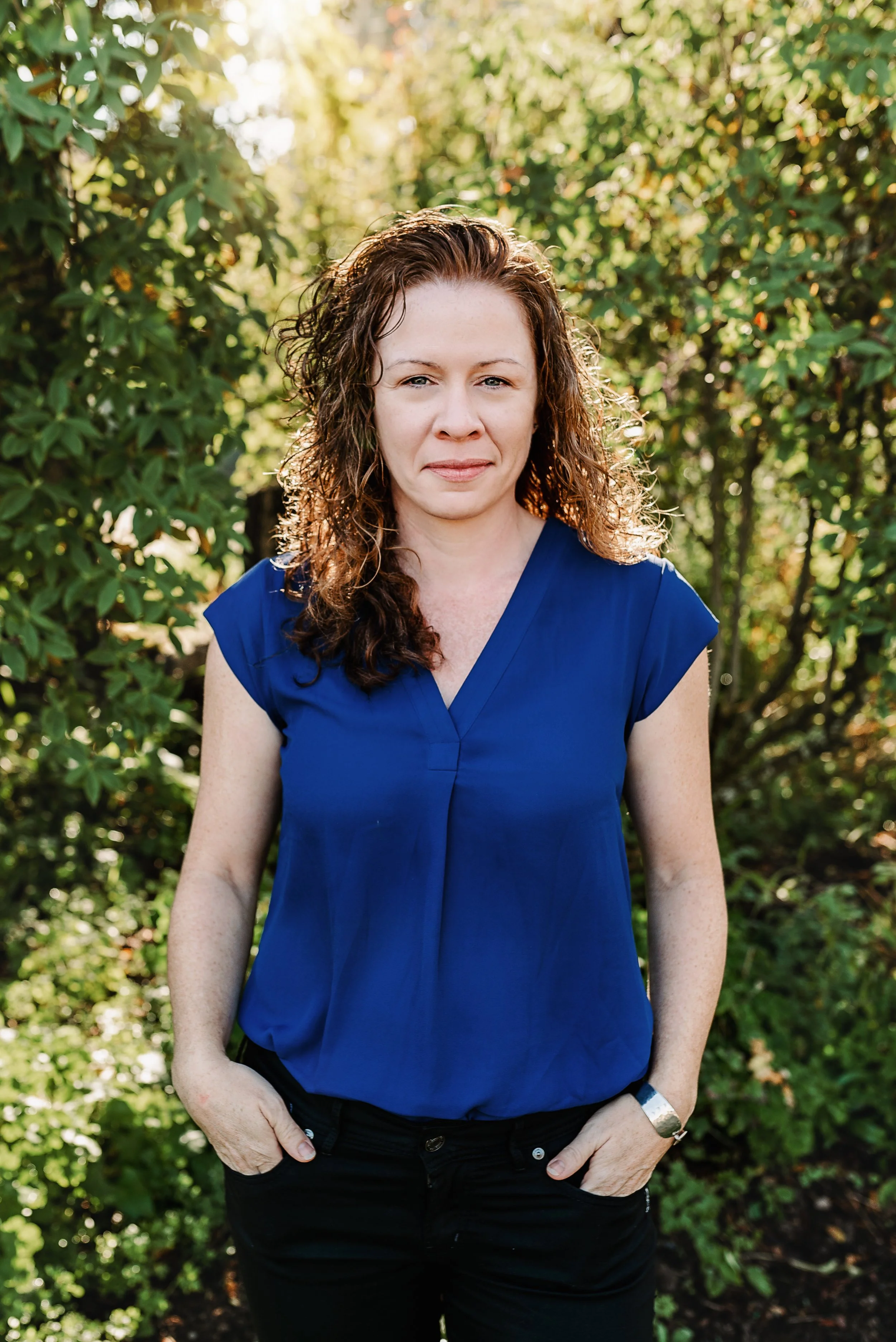
Kimi integrates EMDR — Eye Movement Desensitization and Reprocessing, Internal Family Systems-informed therapy, and Gottman couples therapy to support healing, emotional clarity, stronger boundaries, and healthier connection.
Kimi Mack
Registered Clinical CounsellorColleen Franklin
Registered Clinical CounsellorCurrently not accepting new clients
Areas of Focus: Complex trauma, early experiences and longstanding patterns
Colleen’s EMDR practice focuses on complex and repeated trauma, including childhood, preverbal, attachment and relational experiences. Her work brings an attachment-focused understanding to concerns that developed across many experiences or relationships.
Areas of focus include:
- Childhood and early attachment trauma
- Longstanding beliefs such as “I’m not good enough” or “I’m not safe”
- Complicated grief and traumatic loss
- First responder and occupational trauma

We offer in-person counselling in Nanaimo and virtual appointments across British Columbia. Connect with Sandstone Counselling to explore which therapist and approach may fit your needs.
Getting started.
Change of any sort requires courage.
Sandstone Counselling offers direct billing for clients who have funding through ICBC, RCMP, Pacific Blue Cross, BCEHS, CVAP (Crime Victim Assistance Program), AFU (Autism Funding) and most extended health benefits.
The Touchstones of Our Practice
Trauma informed: Many individuals have been impacted by trauma. Mental and emotional unbalance can be related to this. Sandstone Counsellors are skilled in recognizing symptoms and responding effectively in a way that prioritizes safety and stabilization.
Evidence-based: We adhere to theoretical and therapeutic practices that are grounded in research and are proven to be effective.
Holistic: Holistic therapy considers your social, emotional, psychological, physical, and spiritual aspects while promoting a deeper awareness of their interconnectedness.
Attachment-based: Apart from integrating specific techniques, Attachment-based therapy is a way of being present with you, recognizing symptoms and responding effectively to support safety and stabilization.